
The Round Table’s Tests of Belonging
Le Morte d'ArthurThis flow traces how the Round Table admits knights, judges their worth, and eventually loses the fellowship that made its ideals possible.
increasing Bearing strength in each event
 decreasing
Bearing strength in each eventdecreasingSeats Are Assigned
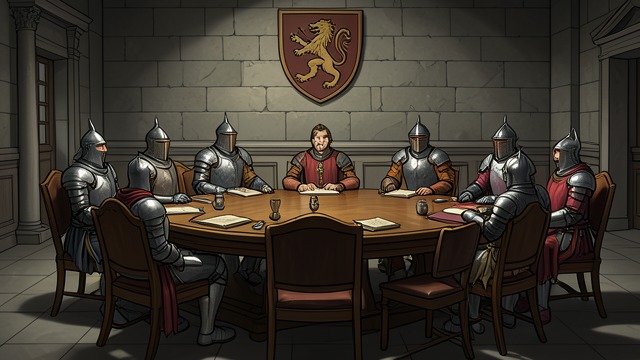
A Fellowship Is Organized
Knights receive their places
Merlin finds and blesses seats for knights of reputation and virtue. The Round Table becomes an institution that ranks service rather than merely birth.
The empty places remain
Some seats are vacant, including the Siege Perilous. Their absence makes the court anticipate future knights and future tests.
New Knights Are Tested
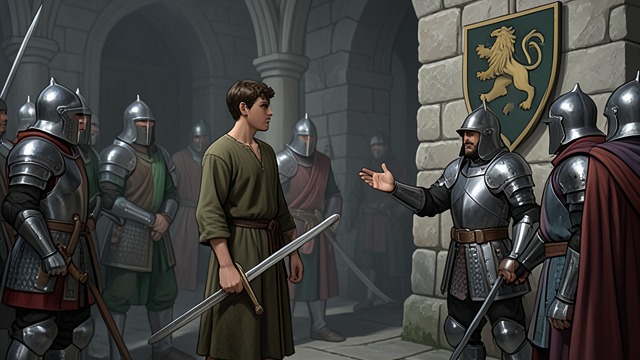
Admission Through Deeds
Youth seeks recognition
Tor, Griflet, and other young men ask for knighthood or a place among Arthur’s companions. Their worth is examined through lineage, courage, and action.
The institution changes lives
Arthur’s court can elevate newcomers, but it can also mock or overlook them. The contrast between Gareth’s treatment and his eventual recognition shows that the fellowship’s judgments are imperfect.
The Grail Reorders the Seats
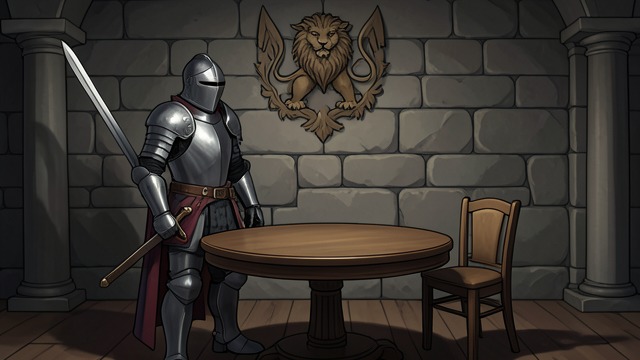
A Knight Surpasses the Court
A promised seat is filled
Galahad occupies the Siege Perilous and draws the sword associated with his quest. The moment alters the meaning of the Round Table’s vacant places.
Achievement changes belonging
The Grail quest separates knights who can attain spiritual purity from those whose old habits continue to rule them. The fellowship can no longer assume that every knight is equal in purpose.
Knights Choose Sides
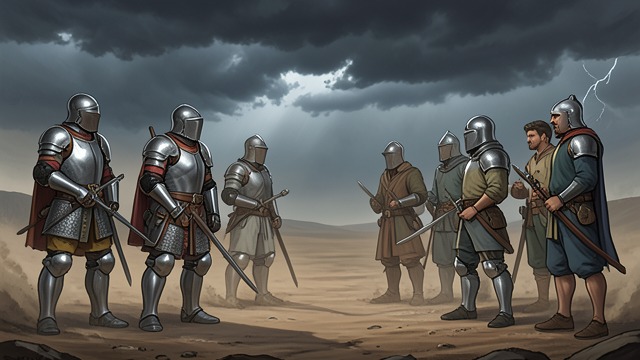
The Fellowship Divides
Kinship and allegiance conflict
Some knights defend Launcelot, while others obey Arthur or follow Gawaine’s demand for revenge. Former companions now meet in separate armies.
Shared identity weakens
Even the language of the Round Table cannot restore trust. The knights’ choices make the fellowship a symbol of what the kingdom has lost.
The Fellowship Becomes Memory
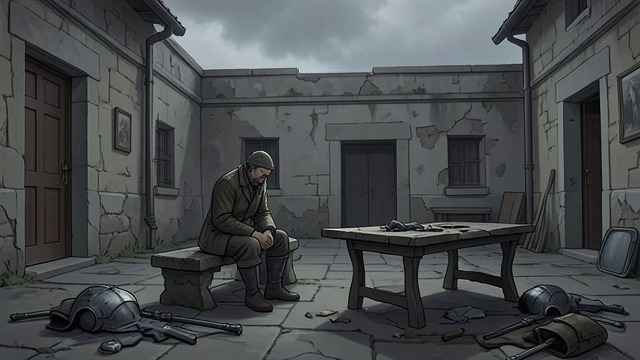
No Table Remains
The king and his knights are gone
Arthur, Gawaine, and Launcelot die; their companions scatter into hermitages or leave for the Holy Land. The institution has no center to renew its vows.
Story preserves the ideal
The Round Table survives in readers’ memory as an unfinished standard of fellowship, courage, and courtesy. Its destruction makes its ideals more visible, not less necessary.
At Arthur’s marriage feast
During Arthur’s early court adventures
At the Pentecost feast when Galahad arrives
During the war over Guenever and Launcelot
After the last battles and the deaths of its leaders
